

Designing Climate-Responsive Buildings for Africa

Africa’s diverse climates require buildings that respond intelligently to their environment. Rather than relying solely on mechanical systems, climate-responsive architecture uses design strategies that improve comfort naturally. Effective climate-responsive design begins with site analysis. Building orientation, prevailing winds, solar exposure, and landscape features all influence how a structure performs throughout the year.
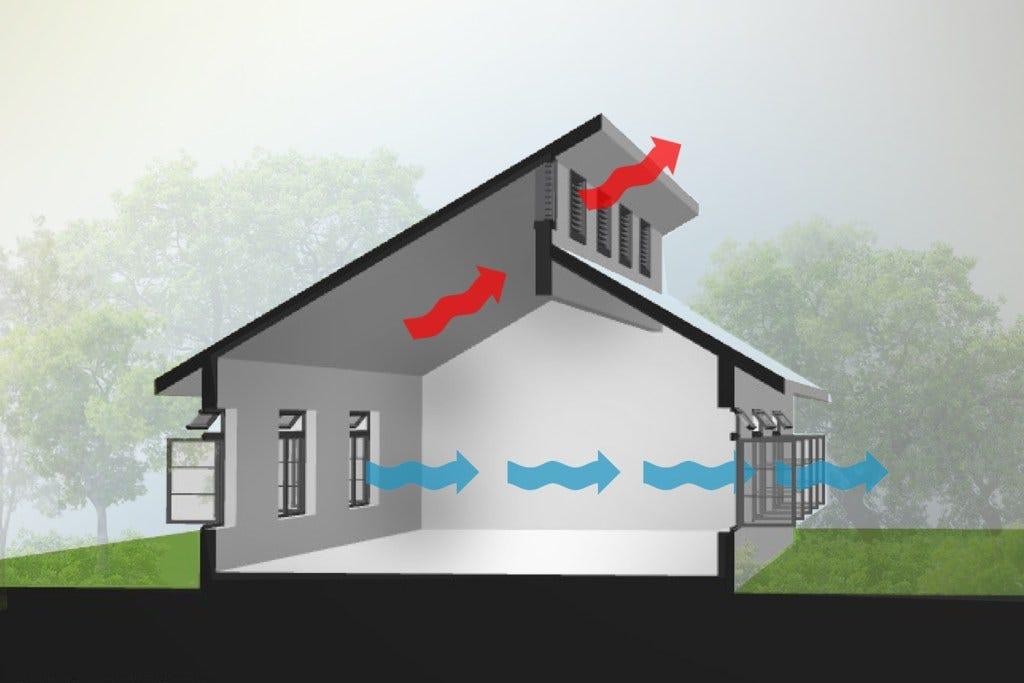
Features such as deep roof overhangs, shaded courtyards, natural ventilation systems, thermal mass walls, and carefully positioned windows can dramatically reduce energy demand while improving user comfort. These strategies not only lower operating costs but also create healthier indoor environments. As urbanization accelerates across the continent, climate-responsive design is becoming increasingly important for residential, commercial, institutional, and public projects. Buildings that work with nature rather than against it are more resilient, efficient, and sustainable.
At SITARQ, we integrate climate-responsive principles from the earliest stages of design to create developments that are future-ready, environmentally responsible, and tailored to their local context.
All your supporting arguments must be communicated with simplicity and charm. And in such a way that the reader will read on. (After all, that’s a reader’s job: to read, isn’t it?) And by the time your readers have reached this point in the finished copy, you will have convinced them that you not only respect their intelligence, but you also understand their needs as consumers.
This is some dummy copy. You’re not really supposed to read this dummy copy, it is just a place holder for people who need some type to visualize what the actual copy might look like if it were real content.
In today’s competitive market environment, the body copy of your entry must lead the reader through a series of disarmingly simple thoughts.
If you want to read, I might suggest a good book, perhaps Hemingway or Melville. That’s why they call it, the dummy copy.